For the past 3–4 years, there has been an explosion in immunotherapy and targeted cancer treatments—powerful medications designed to attack cancer cells more precisely than traditional chemotherapy. These advances are saving lives. However, we are also seeing something important alongside these breakthroughs: some of these medications can significantly affect the eyes and vision.
At Eye Doctor MD, PC, Dr. Pradhan has been caring for many patients who experience vision changes related to cancer medications, and she wants people to know that help is available. Dr. Pradhan’s husband is an oncologist, and she has worked with him and his partners to take care of many patients with drug toxicity to their eyes.
Can Cancer Treatments Affect My Eyes?
Yes. A growing group of medications called antibody-drug conjugates (ADCs) often described as “smart bombs” that target cancer cells—can sometimes affect the cornea and ocular surface.
Dr. Pradhan has seen patients experience:
- Sudden changes in glasses prescriptions
- Blurred or fluctuating vision
- Increased light sensitivity
- Dryness, irritation, or gritty sensations
These changes can be alarming, especially when patients are already navigating a cancer diagnosis.
Why Is This Happening Now?
ADCs combine a cancer-targeting antibody with a powerful drug payload. While they are generally better tolerated than traditional chemotherapy, some ADCs can cause eye surface toxicity. These effects are often dose-related and reversible, but they must be identified early.
That’s where specialized eye care becomes critical.
Here are some examples:
One example is Elahere® (mirvetuximab soravtansine-gynx) a newer targeted therapy used for ovarian cancer (FRα+), fallopian tube cancer, or primary peritoneal cancer. It has shown meaningful improvements in survival, offering hope where options were once limited.
However, Elahere can cause a specific corneal condition called microcyst-like epithelial changes (MECs). These changes may:
- Alter vision
- Cause refractive shifts (your glasses prescription changes)
- Increase dryness and discomfort
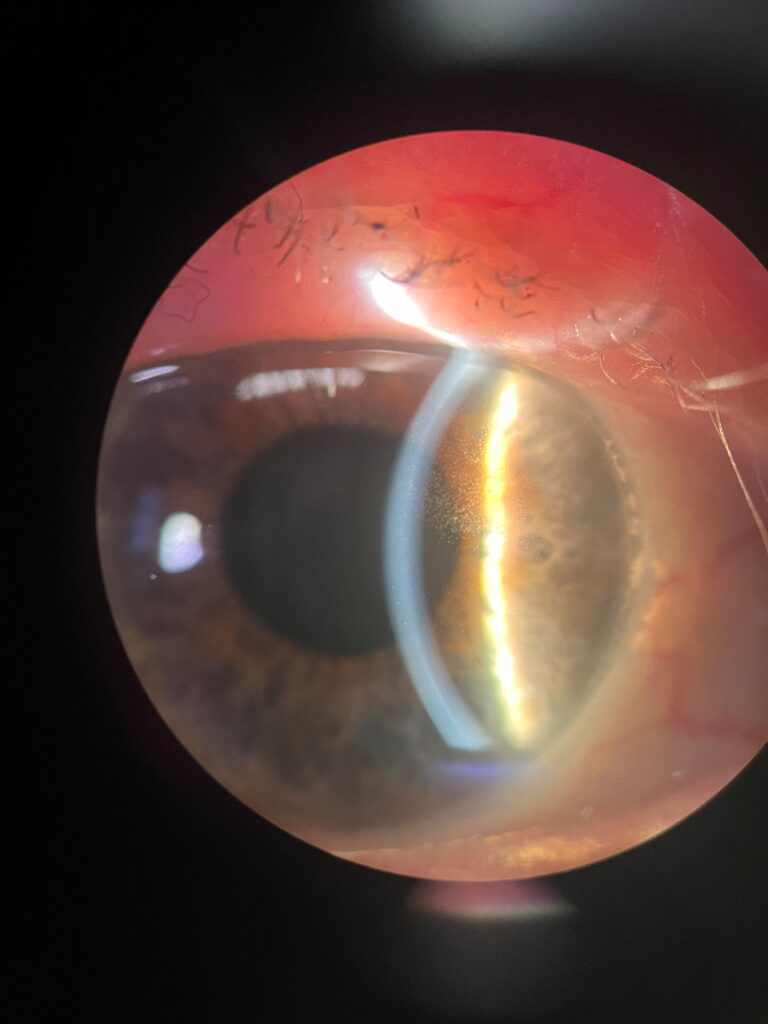
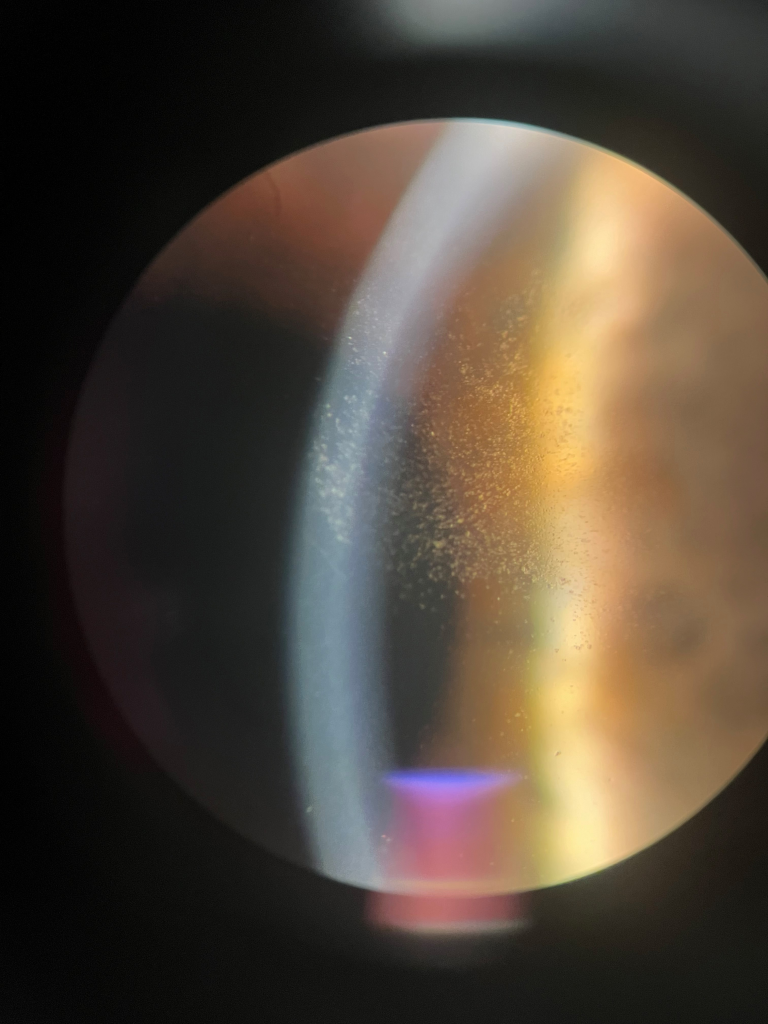
Another example is a drug called Blenrep® (belantamab mafodotin-blmf) for relapsed or refractory multiple myeloma.
The toxicity from this medication is reversible but can cause:
- Significant corneal changes including keratitis and corneal ulcers
- Can be reduced with simple changes like putting a cold compress or ice pack on your eyes during the infusion and using steroid drops under the direction of a specialist
- Must be monitored by a cornea specialist
Because these eye findings help oncologists decide whether to adjust medication dosing, eye exams are not optional—they are essential.
Dr. Pradhan is a CORNEA SPECIALIST, she is trained to see and manage subtle corneal and ocular surface changes that other providers may miss. She takes time to educate patients, explain what’s happening to their eyes, and guide them through each step—no matter where they are in their health journey.
This newsletter is not meant to alarm you but to educate patients as a part of an ongoing series of newsletters focused on cancer medications and their effects on vision. As oncology continues to advance rapidly, more treatments will require careful eye monitoring and specialized expertise will matter more than ever.
Read the article about these drugs on the EyeWiki website by the American Academy of Ophthalmology: https://eyewiki.org/Ocular_Surface_Adverse_Events_and_Changes_Related_to_Antibody-Drug_Conjugates
Call Eye Doctor MD, PC at (804) 270-3333 to schedule a consultation with Dr. Pradhan.
As a cornea specialist, she is here to educate, examine thoroughly, and protect your vision, so your eyes are cared for while you focus on healing.
Your vision matters at every stage of your journey. We’re here for you.

Dr. Shilpi Pradhan is a board-certified ophthalmologist, cornea specialist, and founder of Eye Doctor MD PC. Beyond providing advanced clinical treatments for dry eye disease, she guides patients in adopting targeted lifestyle changes to improve both their eye health and overall whole-body wellness. As one of the first Virginia ophthalmologists board-certified in Lifestyle Medicine (2020) and a member of the American College of Lifestyle Medicine (ACLM), Dr. Pradhan combines modern ocular care with evidence-based nutrition and habit changes to support long-term Vision Healthspan.