Eye Care Resources
Eye Care Resources
What Is Glaucoma?
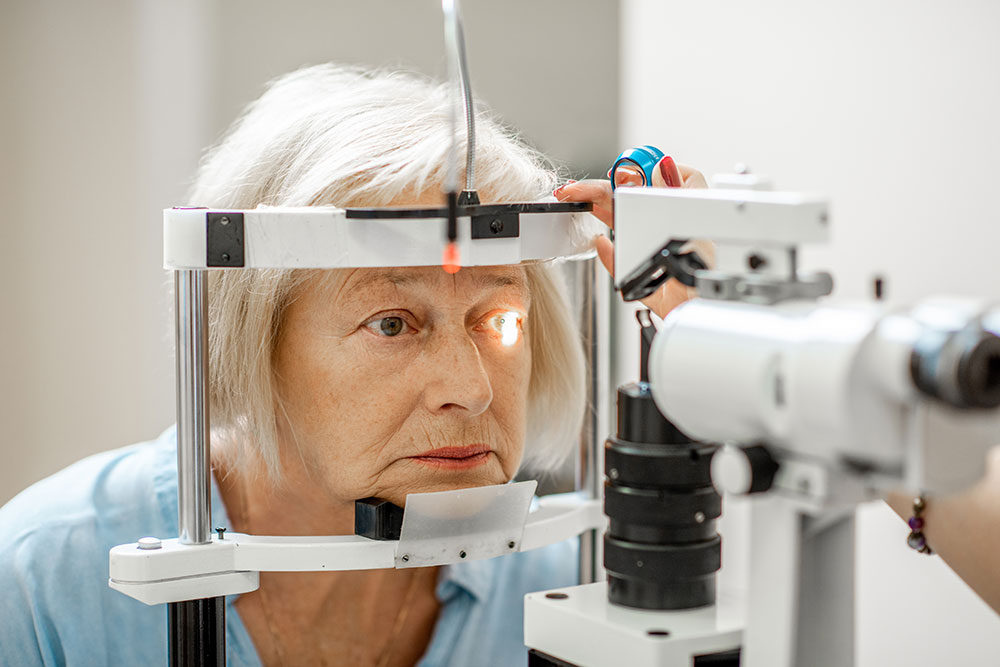
Glaucoma is damage to the optic nerve, often linked to high eye pressure. Because pressure levels vary by person, careful monitoring is essential. Untreated glaucoma can lead to permanent vision loss, but early detection and treatment help preserve sight.
Types of Glaucoma:
- Primary Open Angle Glaucoma (POAG): The most common type of glaucoma and the number one cause of irreversible vision loss worldwide. POAG is linked to age, race, and genetics. This type of glaucoma typically does not have any symptoms.
- Angle Closure or Narrow Angle Glaucoma (ACG): ACG is caused by a narrow eye structure and can be exacerbated by medications. Symptoms of angle closure include eye pain, headache, nausea, and sudden vision changes—seek emergency care immediately if these occur.
- Other forms include congenital, traumatic, pigmentary, and pseudoexfoliation glaucoma.
How We Monitor Glaucoma
We use a complete eye exam and advanced tools, such as OCT imaging and visual field testing, to track changes over time and adjust treatment as needed.
Risk Factors
Age, family history, race, smoking, diabetes, sleep apnea, and chronic steroid use can increase glaucoma risk. If glaucoma runs in your family, regular eye exams are critical, starting as early as possible but especially by the age of 40.

Macular Degeneration
Macular degeneration is an age-related condition that damages the macula—the central part of the retina responsible for sharp vision. As it progresses, it can cause loss of central vision, while peripheral vision usually remains intact.
Risk Factors:
- Age Over 50
- Smoking
- Family History
- Genetics
- Caucasian Race
Types:
- Dry (Nonexudative)
- Wet (Exudative)
- Geographic Atrophy
Diagnosis:
- Dilated eye exam
- OCT Imaging of your macula
- Fluorescein Angiogram (rarely used now)
- Fundus photography
Treatment:
- Dry AMD: AREDS2* Vitamins to Slow Progression
- Wet AMD: Eye Injections or Laser Therapy to Preserve Vision
- Advanced Cases: Referral to a Low Vision Specialist
- Smoking Cessation for all types
*AREDS2 supplements with vitamin C, vitamin E, zinc, copper, lutein, and zeaxanthin are recommended. Dr. Pradhan recommends PRN (Physician Recommended Nutraceuticals) Numaqula vitamins and omega-3s for optimal eye and overall health. Request more information here.
What Is a Cataract?
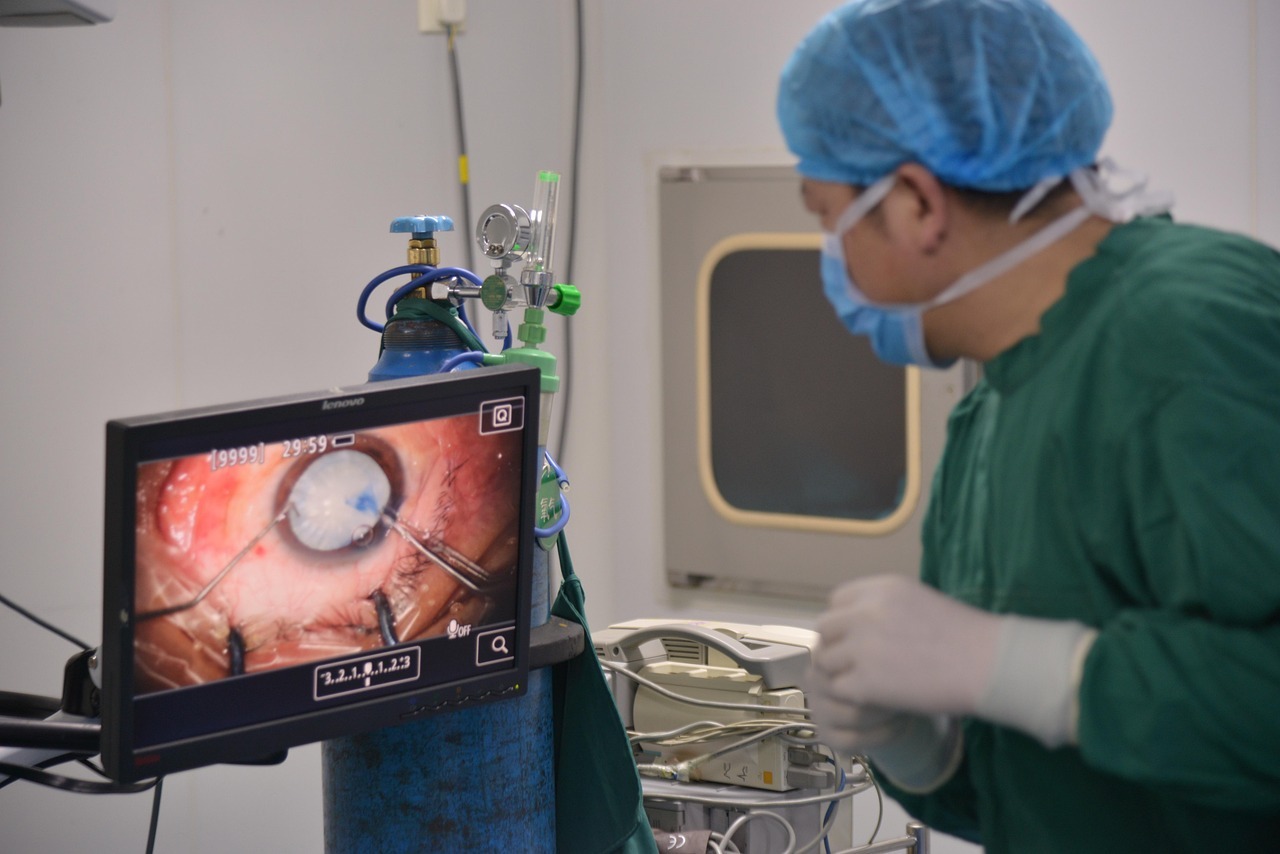
A cataract is the clouding of the eye’s natural lens, which causes blurry and dim vision, along with glare with night driving. They are very common, affecting nearly 90% of people over age 65. Cataracts can make it harder to read, drive, watch TV, or enjoy daily activities. However, cataracts are reversible with cataract surgery.
Benefits and Risks
The main benefit of cataract surgery is that it restores sharper vision. Cataract surgery is still surgery. Risks are rare but may include infection, bleeding, retinal detachment, or the need for further surgery. Cataracts do not return, though some patients may develop clouding of the lens capsule after surgery, which can be corrected with a in-office laser procedure.
Treatment
The only treatment for cataracts at this time is cataract surgery, where the cloudy lens is removed and replaced with a clear artificial lens. Dr. Pradhan has been performing cataract surgery since 2006 in training and independently since 2009. Dr. Pradhan offers advanced lens options, including monofocal, toric (for astigmatism), and multifocal implants to provide clear vision at different distances.
Diabetes and Your Eyes
Diabetes can damage the small blood vessels in your eyes, leading to diabetic retinopathy, swelling in the retina, cataracts, or glaucoma. If not treated early, this may cause blurred vision, floaters, or vision loss.
Diabetic Eye Exam
A dilated eye exam is the best way to check for changes. In addition, an OCT scan of your macula and photos of your retina may also be used to monitor your eyes over time.
Adults with type 2 diabetes should have an eye exam at diagnosis and then yearly; type 1 diabetics should begin three to five years after diagnosis if adults or after puberty if children when diagnosed.
Treatment
Prevention is the best method of treatment. You can lower your risk by keeping blood sugar, blood pressure, and cholesterol under control. Omega-3 supplements, such as DHA, may also help protect your eyes. Dr. Pradhan may recommend Nuretin® to support long-term vision health.
If your diabetic retinopathy progresses to the point where you are at risk of losing vision, Dr. Pradhan refers to expert local Retina specialists to prevent any vision loss and maintain your eye health.

What are Flashes and Floaters?
Flashes look like streaks of light, and floaters appear as small gray or black spots that move in your vision. They are often a normal part of aging as the eye’s jelly (vitreous) changes.
However, new or sudden flashes and floaters can signal a retinal tear or detachment, a serious condition that can cause permanent vision loss if not treated quickly. A posterior vitreous detachment (PVD) is usually harmless, but a retinal detachment is an emergency.
If you notice new floaters, flashes, or a shadow/curtain over your vision, call our office right away for an urgent eye exam.
Risk Factors
- Long eyes (if you are near-sighted over a -6.00)
- Recent trauma to your eye (within the last year)
- Recent eye surgery (within the last 3 months)
- History of a prior retinal hole/tear
Dilated exam
A dilated eye exam is essential to diagnosis of a retinal tear or hole which can lead to a retinal detachment. It is important to diagnose this early as a delay can lead to permanent vision loss. If you have new symptoms, please come in right way to be checked.
Treatment
Often times, a retinal hole or tear can be lasered with a retinal specialist and a retinal detachment can be prevented. If you have a retinal detachment, you may need surgery with the retina specialist.
What Is a Cataract?
A cataract is the clouding of the eye’s natural lens, which causes blurry, dim, or glare-filled vision. They are very common, affecting nearly 90% of people over age 65. Cataracts can make it harder to read, drive, watch TV, or enjoy daily activities.
Benefits and Risks
The main benefit of cataract surgery is that it restores sharper vision. Risks are rare but may include infection, bleeding, retinal detachment, or the need for further surgery. Cataracts do not return, though some patients may develop clouding of the lens capsule after surgery, which can be corrected with a quick laser procedure.
Treatment
The only treatment is cataract surgery, where the cloudy lens is removed and replaced with a clear artificial lens. At our Richmond office, Dr. Pradhan offers advanced lens options, including monofocal, toric (for astigmatism), and multifocal implants to provide clear vision at different distances.
Uveitis and Iritis
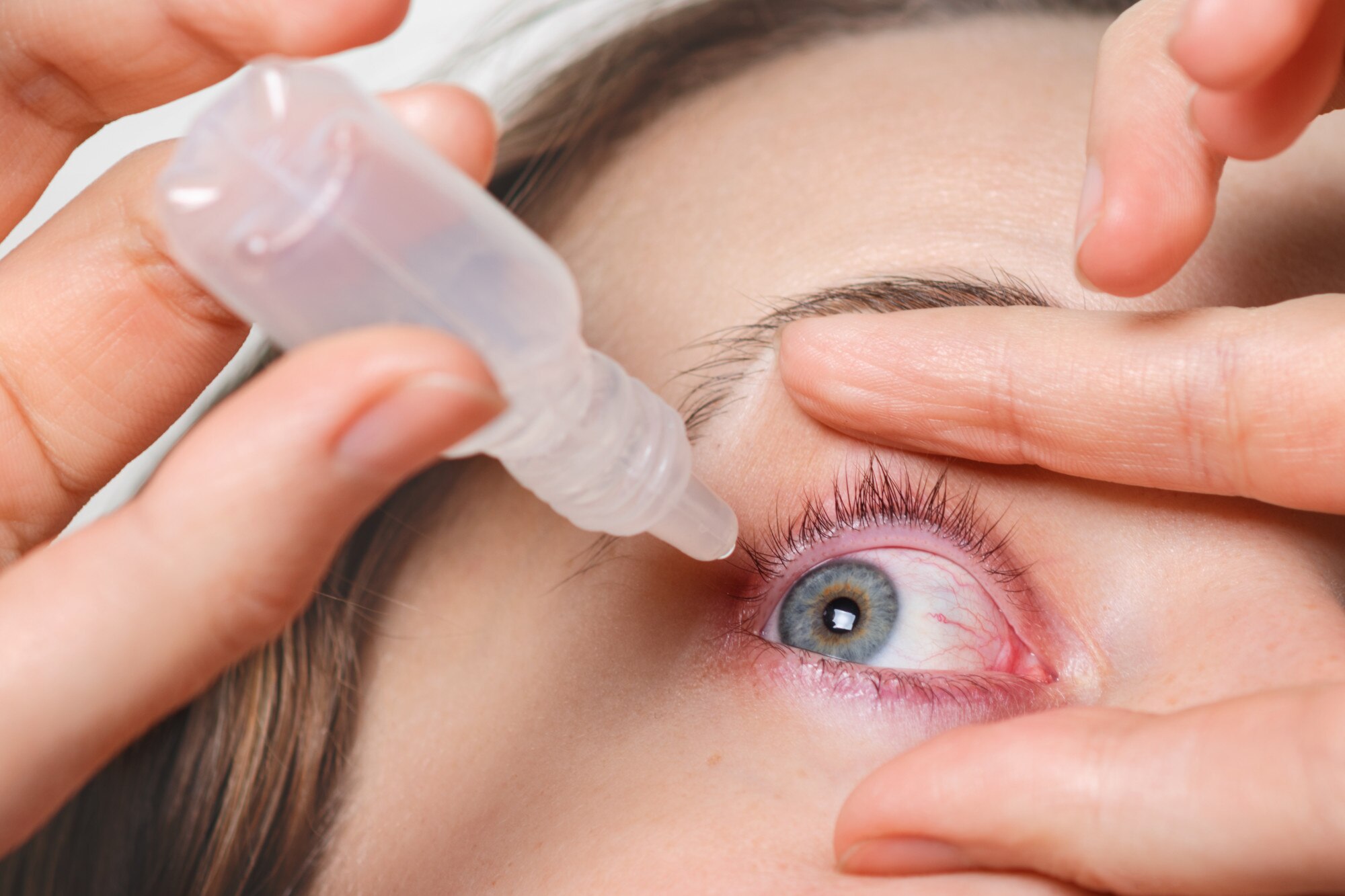
Uveitis is inflammation of the eye’s middle layer (uvea). Iritis affects just the iris.
Symptoms:
- Red or Painful Eye
- Light Sensitivity
- Blurry Vision
- Floaters
Causes:
- Eye Injury
- Infection
- Autoimmune Disease
- Sometimes Unknown
Risks:
If untreated, uveitis and iritis can cause:
- Glaucoma
- Cataracts
- Retinal Detachment
- Vision Loss
Treatment:
- Steroid Eye Drops
- Oral Meds
Always see an eye doctor promptly.

Drugs and their Ocular Side Effects
Many powerful medications used to treat autoimmune diseases and cancer can have significant impacts on your vision. At Eye Doctor MD, PC, Dr. Pradhan specializes in monitoring these ocular side effects, working closely with your specialists to ensure your eyes are protected while you receive the life-saving treatments you need.
Medications Requiring Ocular Monitoring
Potential Ocular Complications
-
Plaquenil (Hydroxychloroquine):
-
Retinal Toxicity: Potential for irreversible damage to the retina (maculopathy).
-
Visual Field Changes: Early signs of toxicity often appear in central vision or along the arcades.
-
-
Elahere (Mirvetuximab soravtansine-gynx):
-
Microcyst-like Epithelial Changes (MECs): Specific corneal changes that can alter vision.
-
Refractive Shifts: Sudden or fluctuating changes in your glasses prescription.
-
Ocular Surface Discomfort: Increased dryness, light sensitivity, and irritation.
-
-
Blenrep (Belantamab mafodotin-blmf):
-
Severe Corneal Changes: Risk of keratitis (inflammation) and corneal ulcers.
-
Vision Loss: Significant blurred vision that requires close monitoring by a cornea specialist to determine oncology dosing adjustments.
-
-
If you are starting one of these treatments, regular eye exams are not just a precaution—they are essential.
Where Can I Find Information for Low Vision?
Eye Awareness Calendar
January is National Glaucoma Awareness Month
February is Age-Related Macular Degeneration and Low Vision Awareness Month
March is National Eye/Cornea Donor & Recipients and Workplace Eye Wellness Month
April is Women’s Eye Health Safety (PBA), Sjögren’s Awareness (Sjögren’s Syndrome Foundation), and National Sports Eye Safety Month (AAO)
May is Healthy Vision Month
June is Fireworks Eye Safety Month and Cataract Awareness Month
July is UV Safety Month
August is Cataract Awareness and Children’s Eye Health Safety Month
September is Healthy Aging Month
October is Eye Injury Prevention Month
November is Diabetes and Diabetic Eye Disease Month
December is Safe Toys and Celebrations Month
What Is Dry Eye Disease?
Dry eye disease occurs when your eyes don’t produce enough tears or when the tears are poor in quality. This can cause irritation, scratchiness, or the feeling that something is in your eye. Over-the-counter drops may provide temporary relief, but they often don’t address the root cause.
What are the Symptoms?
- Blurry Vision That Comes and Goes, and Can Get Better with Blinking
- Watering of Your Eyes (May Not Be Making the Right Type of Tears)
- Dry Eye Feeling
- Eyes Burning
- Eye Irritation
- Eye Fatigue or Discomfort
- Gritty or Sandy Feeling in the Eyes
Some of these symptoms can also be associated with allergies and exposure to dry weather conditions. To get a complete evaluation of your symptoms, see a dry eye specialist like Dr. Pradhan. Contact Eye Doctor MD PC today for an accurate diagnosis of your condition and to get a customized treatment plan to improve tear quality, comfort, and vision.