Have you ever wondered why some people around the world live healthy, active lives well into their 90s and even past 100?
Researchers asked the same question and what they discovered became known as the Blue Zones. There is a Netflix documentary showing the National Geographic Journalist, Dan Buettner’s journey exploring the five blue zones.
What are the Blue Zones?
The Blue Zones are five regions around the world where people consistently live longer and healthier lives:
- Barbagia, Sardinia–A mountainous region in Sardinia that is home to the world’s longest-lived men.
- Ikaria, Greece—A small Greek island where people are known for long lifespans, lower rates of heart disease, and remarkably low rates of dementia.
- Nicoya Peninsula, Costa Rica—A region recognized for healthy aging, strong family connections, and a high number of male centenarians.
- Loma Linda, California—Home to a large Seventh-day Adventist community whose healthy lifestyle habits are associated with living about 10 years longer than the average North American.
- Okinawa, Japan—Famous for having some of the longest-living women in the world, supported by strong social ties, purpose, and balanced nutrition.
Researchers found that these communities shared common lifestyle habits that support long-term health, vitality, and longevity.
What Are the “Power 9” Habits?
The Blue Zones Project identified 9 common habits shared by many centenarians:
- Move naturally
People in the Blue Zones stay active through daily life instead of structured workouts. Walking, gardening, cooking, and doing chores naturally keep their bodies moving throughout the day. - Purpose
Having a clear sense of purpose or a reason to wake up each morning helps support emotional well-being and longevity. Living with meaning can add fulfillment and may even contribute to a longer life. - Downshift
Stress is part of life, but people in the Blue Zones build daily routines to slow down and recharge. Prayer, naps, family time, reflection, and social gatherings help reduce chronic stress and inflammation. We are now hearing about the concept of micro-retirement which I love, where we are not working full-time but slowing down to enjoy more life, but still work and keep our minds active. - 80% rule
Many Blue Zone communities practice stopping eating when they feel about 80% full instead of overeating. Eating lighter meals and avoiding late-night eating may help with weight management and overall health. - Plant slant
Most long-lived populations eat a mainly plant-based diet rich in beans, vegetables, fruits, and whole grains. Meat is eaten less often and usually in smaller portions. - Wine @ 5
In several Blue Zones, mild alcohol intake is enjoyed socially and with meals. The focus is on moderation, balance, and connection—not excess. - Belong
Being part of a faith-based or supportive community can provide emotional support, purpose, and social connection. Strong community ties are linked to healthier and longer lives. - Loved ones first
Family and friends are a major priority in Blue Zone cultures. Spending time with loved ones, caring for aging family members, and building strong relationships help support emotional and physical health. - Right tribe
Healthy habits are often shaped by the people around us. Blue Zone communities encourage friendships and social circles that support positive choices, movement, connection, and well-being.
Why Does This Matter?
Research suggests that only about 20% of longevity is related to genetics while lifestyle and environment play a much larger role.
The Blue Zones showed that healthier environments help people make healthier choices naturally. Communities that improved walking paths, increased healthy food access, and encouraged social connection saw improvements in life expectancy, obesity rates, and overall health.
What is the Blue Zones Project?
The Blue Zones Project is taking this knowledge further with an initiative where communities are guided to recreate the Power 9 principles in their neighborhoods in the USA and reproduce results including longer life expectancy and lower healthcare costs. There are nine cities in the US that have been through the process and more will join them. Maybe Richmond will be one of them in the future with your activism if you are inspired by these ideas and we develop infrastructure changes to help. You can learn more about this on their website: www.bluezones.com and www.bluezonesproject.com
A New Way to Think About Eye Health
Dr. Pradhan believes that caring for your overall health also supports your vision and long-term eye health.
As part of her Lifestyle Medicine approach, Dr. Pradhan shares this important perspective in a prior blog:
“Many people are familiar with lifespan, which measures the total years you are going to live. With the field of longevity medicine growing and all of us living longer, you may have heard of healthspan or how long we are going to live healthy. I want to introduce a new concept of “Vision Healthspan,” we focus on maintaining your vision as long as you live. With this goal in mind, following all the lifestyle pillars of health is important, including proper nutrition, exercise, restorative sleep, stress management, social connections and no smoking, and limiting alcohol. If you’re not sure you are getting a well-balanced diet or that you are absorbing all of the nutrients from your diet, you should consider taking supplements to help maintain overall and eye health.”
What Can You Do Today?
Small changes can make a meaningful difference:
- Walk more throughout the day and choose movement whenever possible
- Focus on whole, plant-forward foods and mindful eating
- Prioritize sleep, stress management, and meaningful social connections
- Support healthier community spaces like walkable neighborhoods, parks, and local wellness initiatives
- Encourage conversations with community leaders and legislators about making healthy choices easier and more accessible for everyone
New Friday Lifestyle Medicine Talks with Dr. Pradhan
Starting July 17th, Dr. Pradhan will begin new Friday Lifestyle Medicine talks focused on practical ways to improve your health, protect your vision, and support your overall well-being.
Healthy living is not about perfection; it’s about creating daily habits that help you feel and see your best for years to come.
Call (804) 270-3333 to schedule your consultation with Dr. Pradhan today, or join us on July 17th for our Friday Lifestyle Medicine Talk!
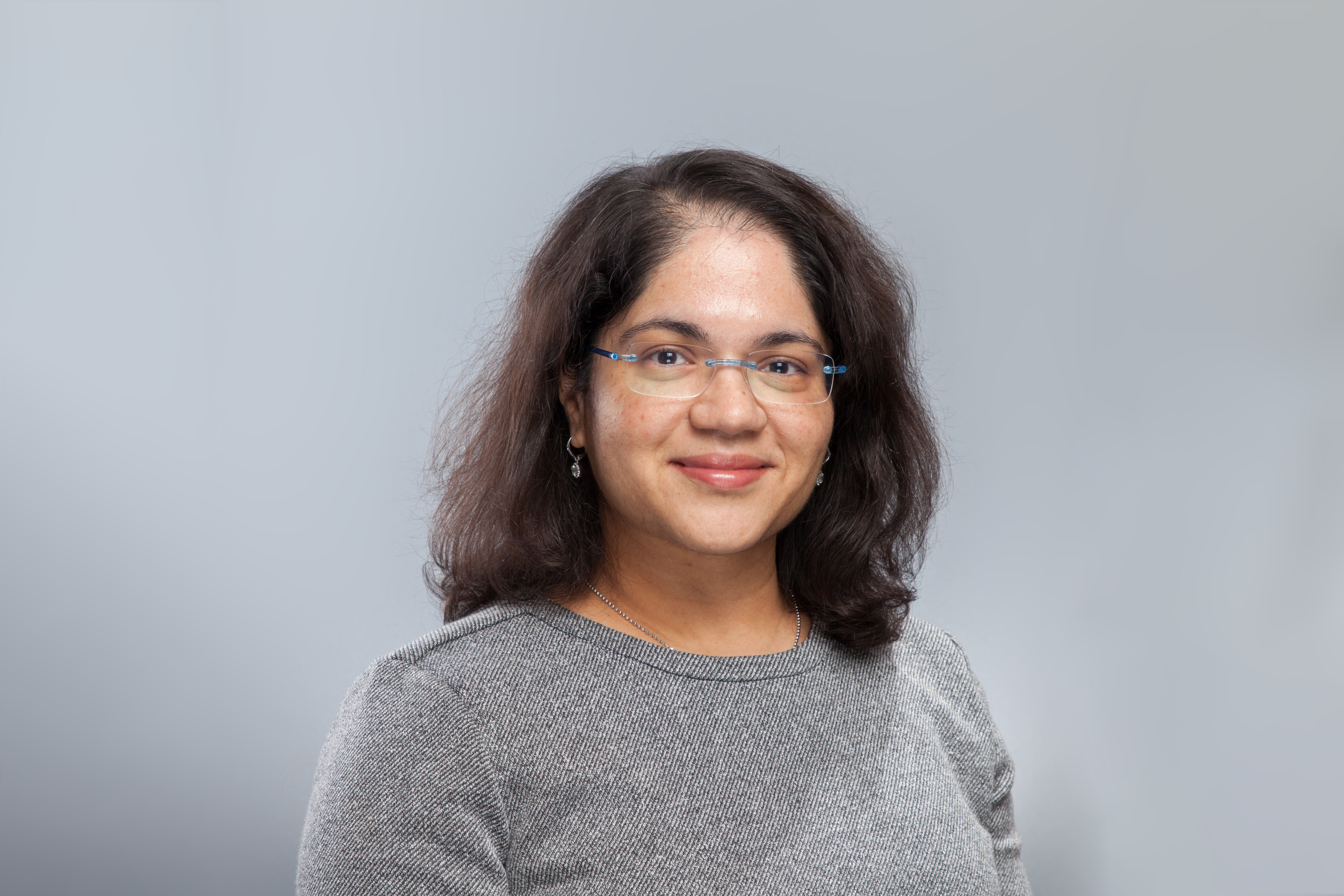
Dr. Shilpi Pradhan is a board-certified ophthalmologist, cornea specialist, and founder of Eye Doctor MD PC. Beyond providing advanced clinical treatments for dry eye disease, she guides patients in adopting targeted lifestyle changes to improve both their eye health and overall whole-body wellness. As one of the first Virginia ophthalmologists board-certified in Lifestyle Medicine (2020) and a member of the American College of Lifestyle Medicine (ACLM), Dr. Pradhan combines modern ocular care with evidence-based nutrition and habit changes to support long-term Vision Healthspan.