Book Review: The Whole Truth by Dr. T. Colin Campbell
The latest book by Dr. T Colin Campbell called The Whole Truth is an eye-opening take on his own long research career in nutrition including the biochemistry of disease, specifically cancer. His prior books include The China Study which showed the impact of different diets in different parts of the world, specifically China where the rates of cancer were higher in industrialized areas/cities where they were adopting the Standard American Diet (SAD) compared to the rural areas where they were still eating mostly veggies and rice and meat only on special occasions.
This new book, The Whole Truth, looks at the restrictions he has had placed on his research and publications due to the politics of how industry influences government policy and recommendations given to us as the American population. It exposes more about his personal journey, where his online course, eCornell Plant Based Nutrition, hints at industry influences on research through homework assignments looking at funding of studies that are published. I completed this course in 2019 prior to my Lifestyle Medicine certification and wanted to recognize Dr. Campbell’s influence in my life and our lives in moving forward the Forks over Knives movement to improve our individual, collective, and planetary health.
Taking These Ideas From the Page to the Conference
This conversation about nutrition and health continued for me at the International Conference on Nutrition in Medicine, held August 13–15, 2026, at the Grand Hyatt in Washington, DC.
Here are some of the key takeaways I learned:
On Day 1
Gut health: The gut microbiome improved more with fiber and fermented foods compared with yogurt and kefir. Yogurt and kefir are still good sources of calcium and protein, but they did not improve the gut microbiome as much.
Heart health: A Portfolio Diet with viscous fiber can help decrease cardiovascular disease risk. Sources include:
- Nuts
- Oats and barley
- Psyllium
- Legumes
- Eggplant and okra
- Soy
- Beans, chickpeas, and lentils
Healthy fats: About 3 grams of ALA can be sourced from 1.5 tablespoons of chia seeds, 2 tablespoons of flax seeds, 3 tablespoons of hemp seeds, or ⅓ cup of walnuts.
Aging and cooking: Advanced glycation end-products can form more in meat, particularly when meat is cooked at higher temperatures, such as frying. These compounds are linked with aging and cataracts.
Cardiovascular health: Erectile dysfunction can be a marker of cardiovascular health. Increasing plant foods, especially green vegetables, can improve both erectile and cardiovascular health.
Day 2: Diabetes, Berries & More
Diabetes: Diabetes is a disease of insulin resistance and can be reversible with dietary changes.
Eating window: A short eating window of about six hours was associated with less hunger and better weight control, especially for people with diabetes.
Peripheral neuropathy: Diabetic painful peripheral neuropathy can be improved with a whole-food, plant-based diet without oil, as oil contributes to peripheral artery disease and neuropathy.
Flavonoids: Flavonoids, especially from blueberries and green tea, were highlighted for their potential health benefits. Three servings per week were associated with decreased cardiovascular disease and diabetes risk. Berries were also associated with a lower risk of Parkinson’s disease and dementia.
Berries: Organic berries and fresh or frozen berries have the most nutrients.
Nutrition is not just about one part of the body. The information shared at the conference reinforced the connection between nutrition, cardiovascular health, diabetes, aging, and eye health.
This is also why I continue to emphasize the importance of looking at your health as a whole. Supporting your overall health can also be part of supporting your Vision Healthspan, maintaining your vision and eye health as you live longer.
As we continue learning more about nutrition, research, and lifestyle medicine, my goal is to share information that you can understand and use to have meaningful conversations with your healthcare providers. With the guidance of your primary care provider, you can also begin making thoughtful lifestyle changes that support your overall health and well-being.
Call us at (804) 270-3333 to schedule your consultation with Dr. Pradhan and learn how you can support your vision and whole-body health.
For more insights on caring for your vision and whole-body health, subscribe to our YouTube channel.
Keep Learning. Keep Asking Questions.
From The Whole Truth to the latest conversations in nutrition medicine, one message continues to stand out: what we eat, how we live, and the environments we create around us can all play an important role in our health.
I look forward to continuing these conversations and sharing what I learn about nutrition, lifestyle medicine, eye health, and whole-body health.
To your health and your Vision Healthspan!
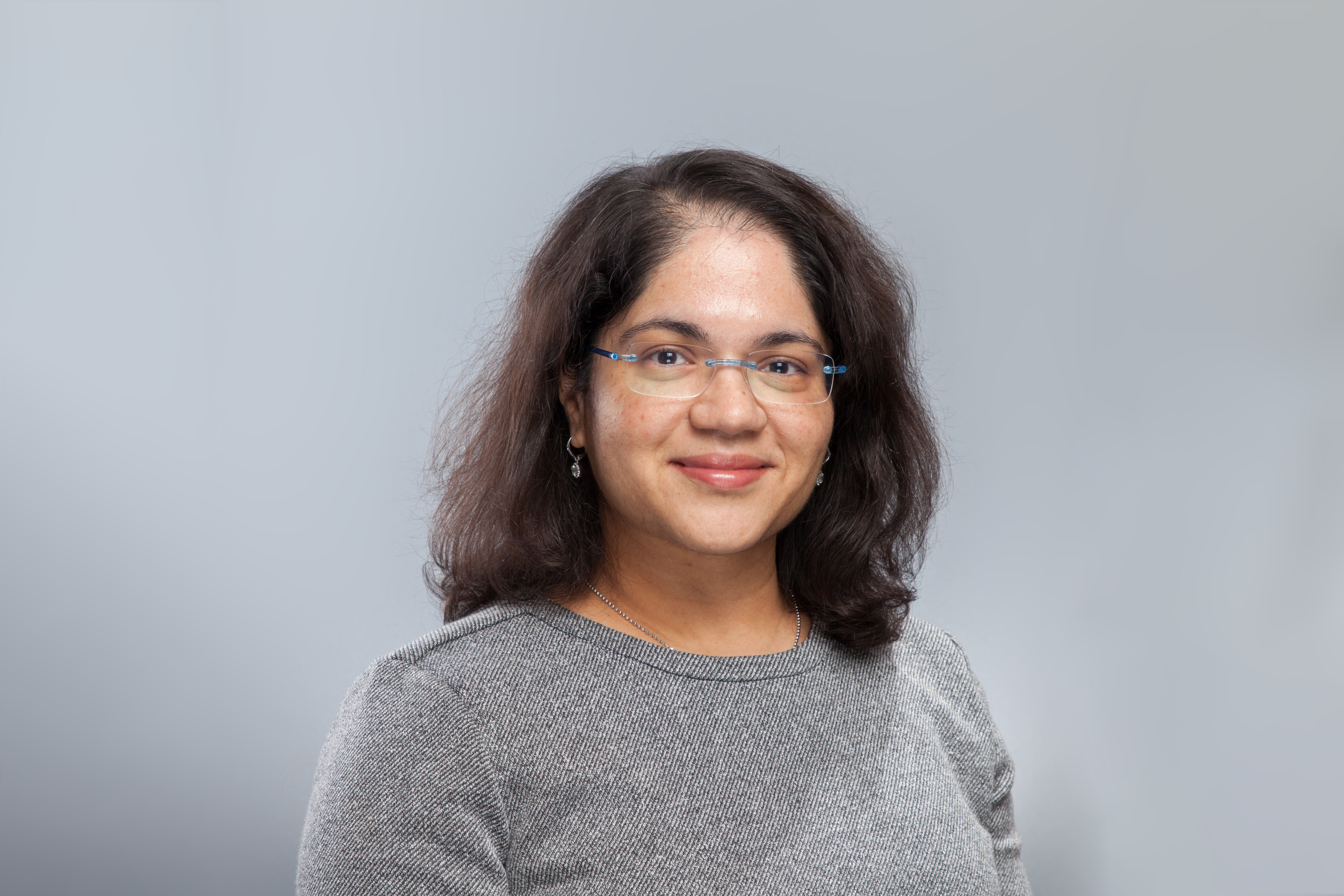
Dr. Shilpi Pradhan is a board-certified ophthalmologist, cornea specialist, and founder of Eye Doctor MD PC. Beyond providing advanced clinical treatments for dry eye disease, she guides patients in adopting targeted lifestyle changes to improve both their eye health and overall whole-body wellness. As one of the first Virginia ophthalmologists board-certified in Lifestyle Medicine (2020) and a member of the American College of Lifestyle Medicine (ACLM), Dr. Pradhan combines modern ocular care with evidence-based nutrition and habit changes to support long-term Vision Healthspan.